After the economic crisis of 2022, many travelers have been asking: "Is it safe to travel to Sri Lanka right now?" We are happy to report that in 2025, Sri Lanka is not only safe but thriving. Tourism has bounced back, fuel is readily available, and the island is as welcoming as ever.
However, like any destination, it's important to be informed. Here is an honest, on-the-ground update on safety, health, and practical travel tips for 2025.
1. Personal Safety & Crime
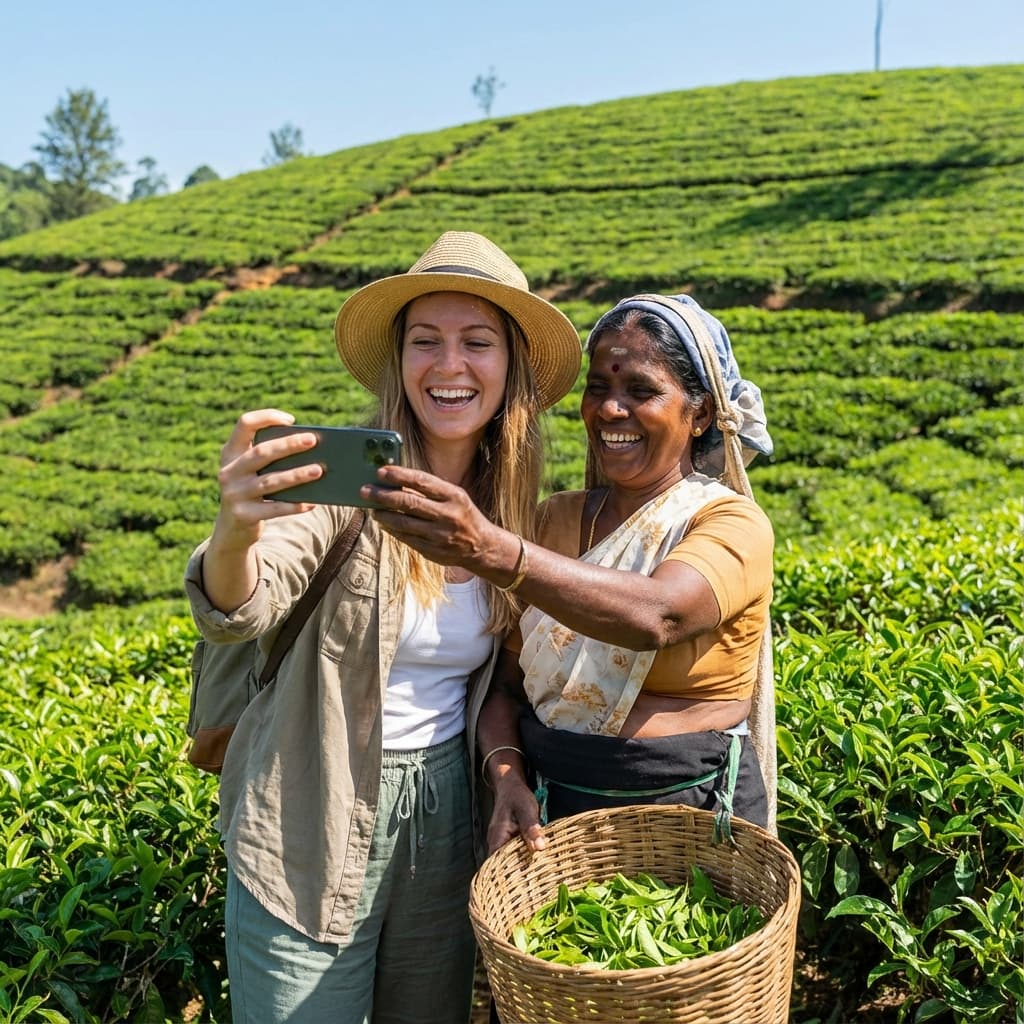
Sri Lanka remains one of the safest countries in Asia for tourists. Violent crime against foreigners is extremely rare. The locals are incredibly hospitable and will often go out of their way to help you.
- Petty Theft: Pickpocketing can happen in crowded areas like markets or packed buses, but it's not widespread. Use common sense: don't flash expensive jewelry and keep your bag zipped.
- Scams: Be wary of "touts" or overly helpful strangers near tourist sites who want to "guide" you to a spice garden or gem shop. A polite "no thank you" is usually enough.
Is it safe for Solo Female Travelers?
Yes. Sri Lanka sees thousands of solo female travelers every year. However, Sri Lanka is a conservative society. We recommend:
- Dressing modestly (covering shoulders and knees) when visiting temples and rural villages.
- Avoiding walking alone on unlit beaches at night.
- Ignoring "catcalls" or staring, which can happen but is usually harmless.
2. Health & Hygiene
Staying healthy will ensure you enjoy your trip to the fullest.
- Water: Do not drink tap water. Stick to bottled water, which is available everywhere. Most hotels provide filtered water refills to reduce plastic waste.
- Mosquitoes: Dengue fever is a risk, especially in cities like Colombo. There is no vaccine, so prevention is key. Wear repellent with DEET, especially at dawn and dusk. Discarded coconut shells are breeding grounds, so watch out in gardens.
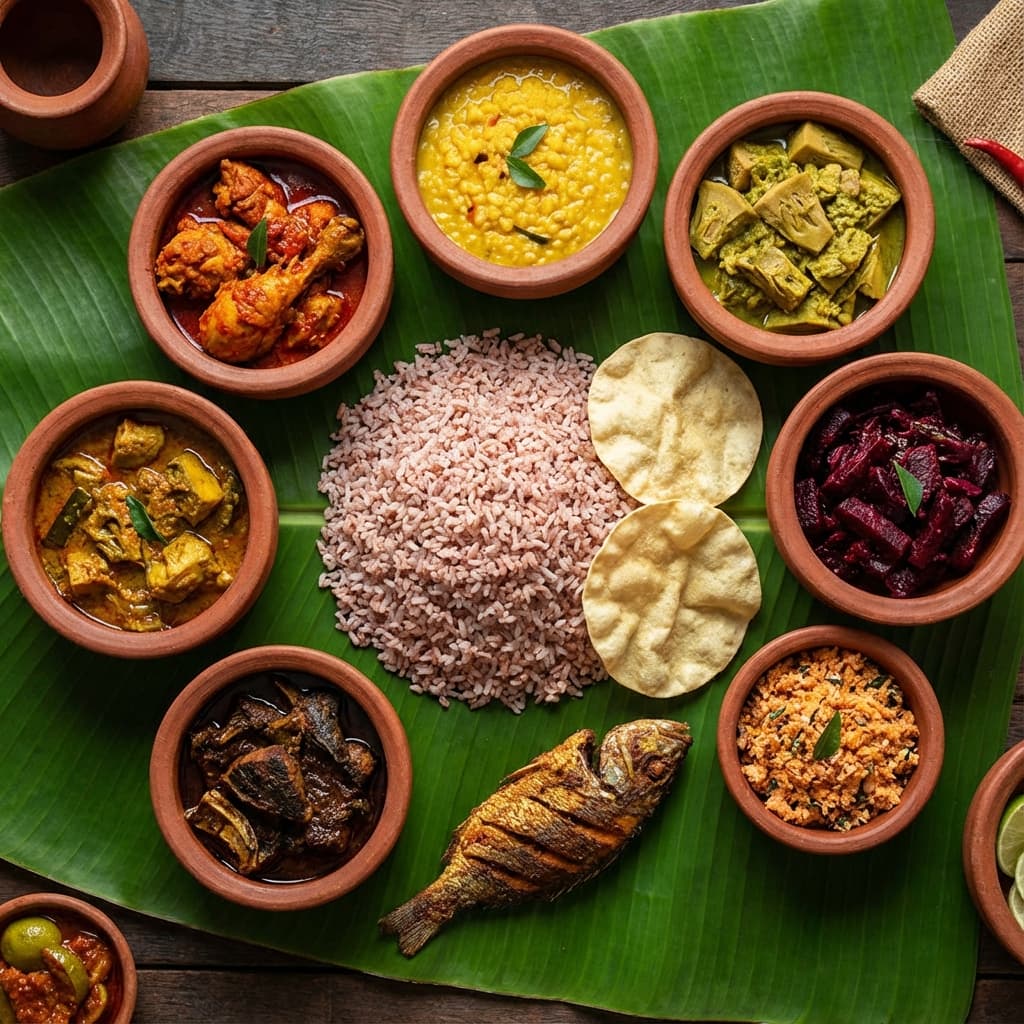
- Food Safety: Sri Lankan street food is delicious and generally safe if it's hot and cooked in front of you (like Kottu or Hoppers). Be cautious with raw salads or pre-cut fruit at roadside stalls.
3. Transportation Safety
Honestly, the biggest danger in Sri Lanka is the traffic!
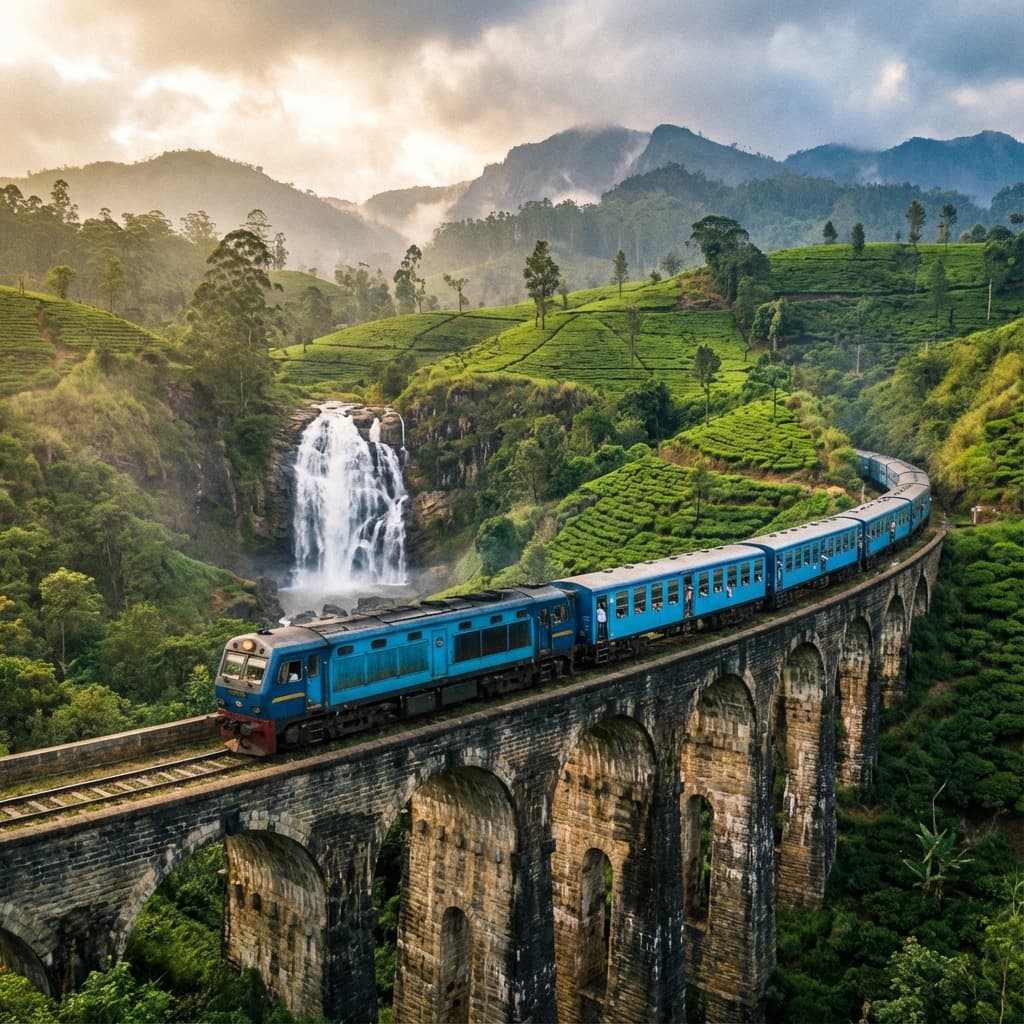
- Buses: Local buses are driven aggressively. They are cheap and an "experience," but if you are nervous, take the train or a private car.
- Scooters: Renting a scooter is popular in beach towns. ALWAYS wear a helmet (it's the law) and drive defensively. You need a valid international driving permit. Police frequently check tourists.
- Tuk-Tuks: Safer than bikes but still exposed. Negotiate the price before you get in or use Uber/PickMe.
4. Political & Economic Stability
The situation has stabilized significantly since 2022.
- Fuel: There are no longer fuel queues. Gas stations are fully stocked.
- Power Cuts: Power cuts are a thing of the past. Hotels and businesses operate normally.
- Protests: Peaceful protests occur occasionally in Colombo but rarely affect tourists. It's always good to check local news, but generally, life goes on as normal.
5. Ocean Safety
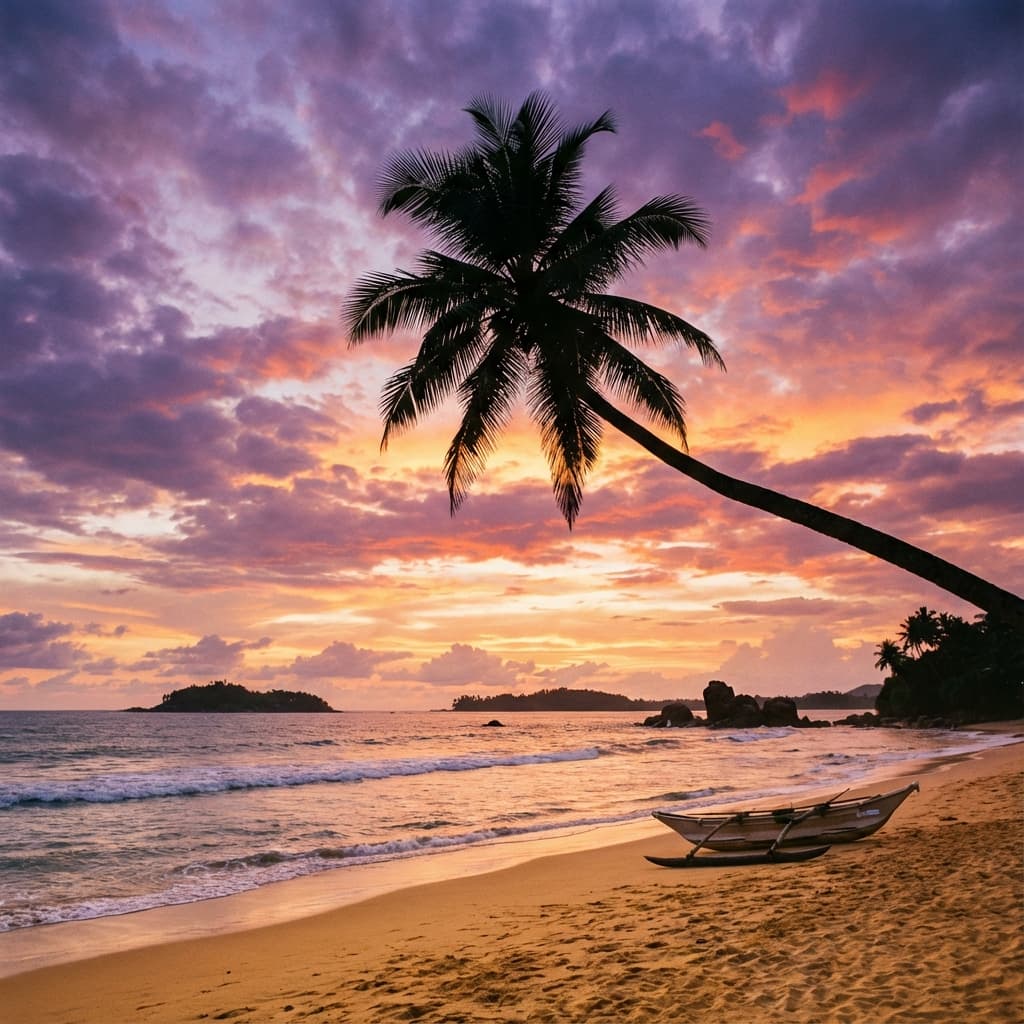
The Indian Ocean is powerful. Red flags on the beach mean DO NOT SWIM. Rips currents are common. If you aren't a strong swimmer, stick to protected bays like Unawatuna or Hiriketiya.
"Emergency Number: In the unlikely event you need help, the Tourist Police number is 1912."
In summary: Sri Lanka is safe, warm, and ready to welcome you. Use the same common sense you would use at home, and you will have an incredible, trouble-free holiday.
Gallery